Livestock Mortality Insurance in Kentucky
We provide Livestock Mortality Insurance solutions to businesses in Kentucky, Indiana and Ohio.
Understanding Livestock Mortality Insurance In Kentucky
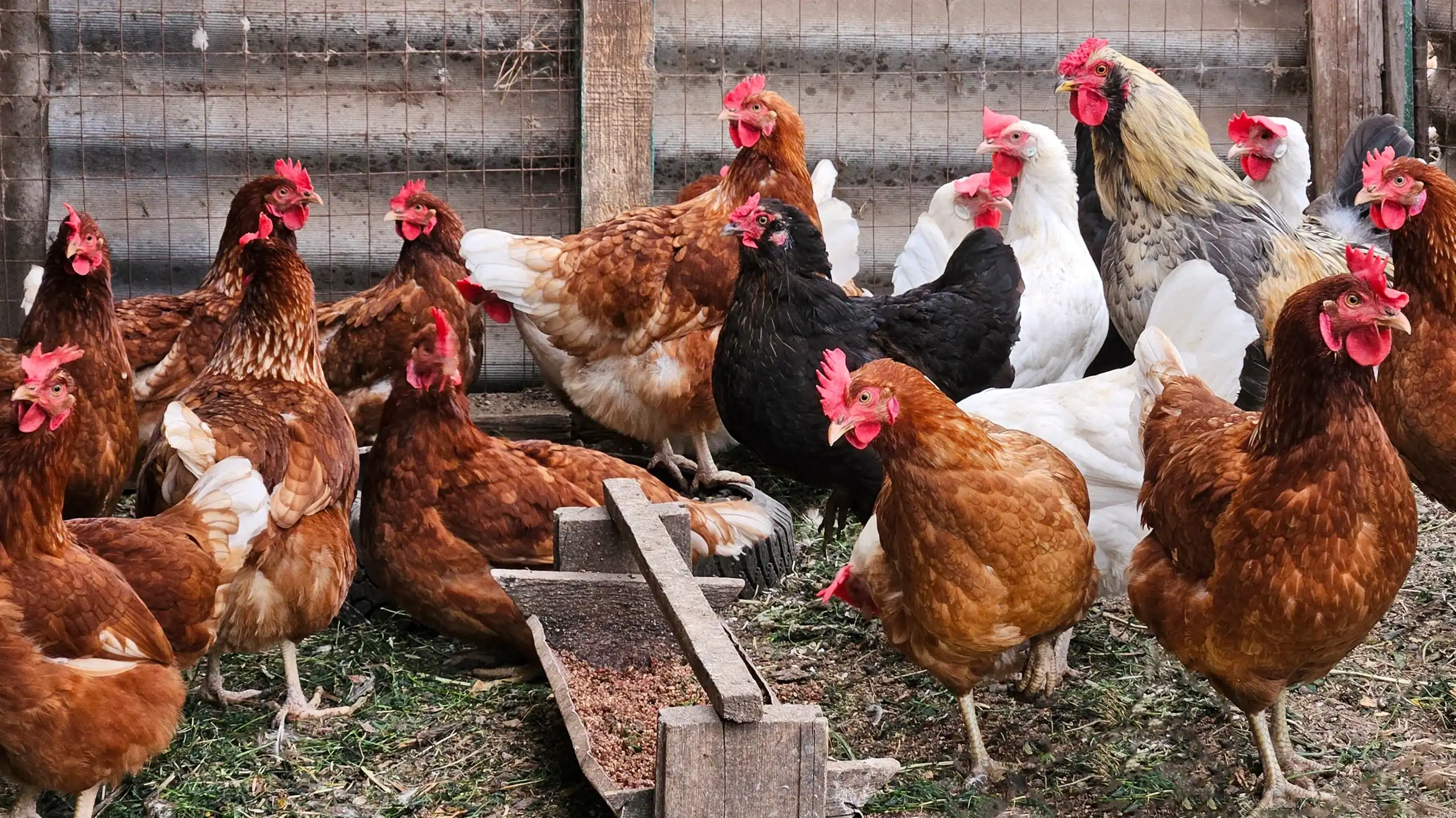
Livestock Mortality Insurance is a highly specialized commercial insurance policy designed to protect livestock owners, breeders, and commercial producers against the sudden and catastrophic financial loss of their valuable animals. This coverage functions essentially as a life insurance policy for high-value animals—including beef and dairy cattle, horses, hogs, sheep, goats, and specialized poultry.
Anyone operating an agricultural business in Kentucky needs this essential coverage to secure their livelihood. This includes commercial cattle ranchers in Western Kentucky, thoroughbred horse breeders in the Bluegrass region, hog and poultry producers, and exhibitors of registered seedstock or prize show animals.
In a state where agribusiness drives a massive portion of the economy and animal assets represent a tremendous concentration of upfront capital, an unexpected outbreak of disease, a major natural disaster, or a devastating accident can instantly wipe out a season’s income. This targeted protection ensures that your agricultural operations can quickly recover and rebuild after a sudden loss.
What Does Livestock Mortality Insurance Cover?
A comprehensive policy is designed to absorb the financial impact of losing an animal or an entire herd to a covered peril. Depending on the specific operations and scale of your farm, these policies can be customized to cover different risk levels. A standard policy structure typically includes the following core components of protection:
- Full Mortality Coverage: This is an “all-risk” policy that covers death or the necessary humane destruction of the insured animal resulting from any natural or accidental cause, including illness, injury, disease, or accident.
- Limited Mortality Coverage: A more affordable, “named-perils” option that covers animal deaths caused strictly by specific, listed events. This generally includes fire, lightning, windstorms, building collapses, drownings, or accidental shootings.
- Theft and Unlawful Removal: If your high-value breeding stock, registered bulls, or prize horses are stolen or unlawfully removed from your property, this coverage provides reimbursement for their assessed value.
- Transit Coverage: Livestock faces its greatest physical vulnerability while being transported. Transit coverage protects your animals against death or severe crippling injuries while in due course of transit to sales, breeding facilities, or other farm locations.
Get a Quote
Why Is This Coverage Critical for Kentucky Equine and Cattle Owners?
For Kentucky horse breeders and cattle ranchers, individual animals are not just farm assets—they are high-value capital investments. The Bluegrass State is internationally recognized for its premier thoroughbred industry, where a single horse can be worth millions of dollars in future racing and stud potential. Similarly, registered beef seedstock and dairy cows represent years of careful genetic selection and immense financial investment.
If a valuable stallion dies from colic, or if a prized breeding bull is struck by lightning in an open pasture, the financial impact can cripple a breeding program. Maintaining a dedicated policy shields your business’s balance sheet. Instead of absorbing a catastrophic loss out of your operational cash reserves, the policy pays out the agreed or actual cash value of the animal, allowing you to secure a replacement and keep your breeding program running smoothly.
How Does a Claims-Made vs. Agreed Value Policy Work?
When securing a policy for your animals, understanding how their value is calculated and how claims are paid is incredibly important. Most policies are written on one of two bases:
- Agreed Value: Under this arrangement, you and the insurance provider agree upon the specific dollar value of the animal at the start of the policy year. If the animal dies from a covered cause during that period, the carrier pays out that exact predetermined amount. This is highly popular for horses and registered show stock where value is tied to pedigree, training, and performance.
- Actual Cash Value: In this scenario, the payout is determined by the fair market value of the animal at the time of its death. This is more common for commercial herds, such as feedlot cattle or swine operations, where prices fluctuate daily based on global commodity market standards.
To initiate a policy, providers typically require a veterinary certificate showing the animal is in sound health. Furthermore, livestock policies are almost universally written on an annual basis, requiring renewals and regular health reassessments to keep the protection active.
Are There Exclusions in Livestock Mortality Insurance?
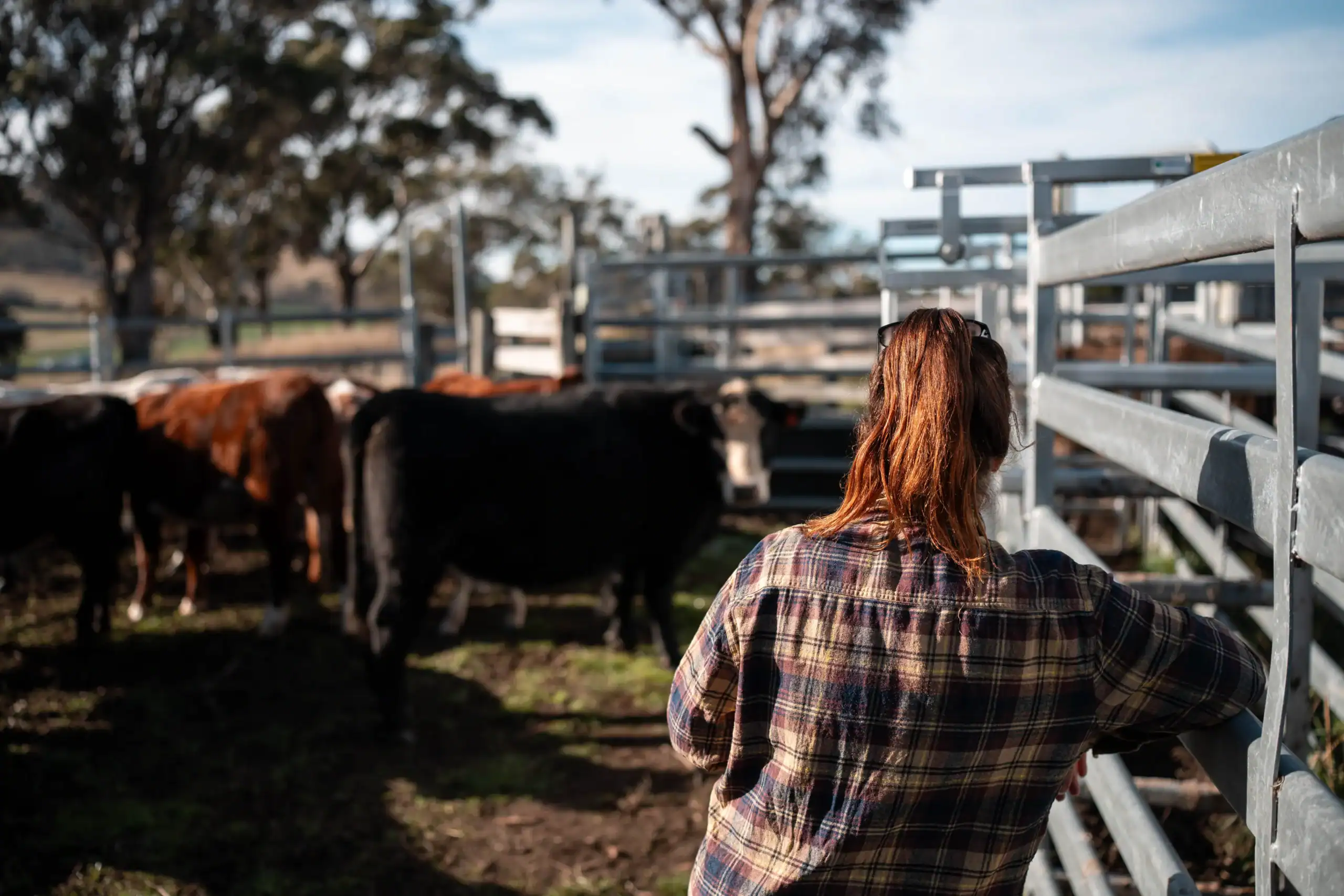
While these policies offer exceptionally broad protection against unexpected deaths, they do feature explicit limitations and exclusions that every producer must understand. Standard policies are designed to handle unexpected losses, not everyday management issues or predictable business risks.
Common exclusions typically include:
- Pre-Existing Conditions: Any illness, injury, or physical deformity that the animal possessed prior to the policy’s effective start date will not be covered.
- Neglect or Lack of Veterinary Care: If an owner fails to provide proper nutrition, adequate shelter, or timely medical care for an injured or sick animal, the carrier can legally deny the claim.
- Government-Mandated Slaughter: If a state or federal agency orders the destruction of your herd due to an outbreak of a highly contagious disease (such as Foot-and-Mouth disease), standard mortality insurance does not cover the loss. This risk must be managed through specialized government programs or specific disease-rider endorsements.
- Intentional Malicious Acts: Any injury or death caused deliberately by the policyholder, an employee, or an immediate family member is strictly excluded.
What Additional Endorsements Can Kentucky Farmers Add?
To build a complete safety net for your agribusiness, standard mortality coverage can be enhanced with specialized endorsements tailored to your day-to-day operations. These add-on coverages address specific risks that lie outside the scope of basic animal death benefits:
- Major Medical and Surgical Endorsements: Similar to human health insurance, this add-on covers the high costs of life-saving surgeries, veterinary hospital stays, and emergency medical treatments for horses and elite breeding stock.
- Prospective Foal/Embryo Coverage: For equine breeders, this protects the financial investment in a pregnancy, covering the loss of a prospective foal if the mare miscarries or if the foal does not survive birth.
- Power Interruption and Mechanical Breakdown: This is a vital endorsement for swine and poultry operations. It covers the sudden death of animals due to the failure of climate-controlled barn ventilation systems caused by a power outage or mechanical breakdown.
- Loss of Income: Protects your business from the subsequent drop in revenue if a covered animal loss directly halts your primary production, such as egg or milk output.
How to Secure the Ideal Livestock Mortality Insurance in Kentucky
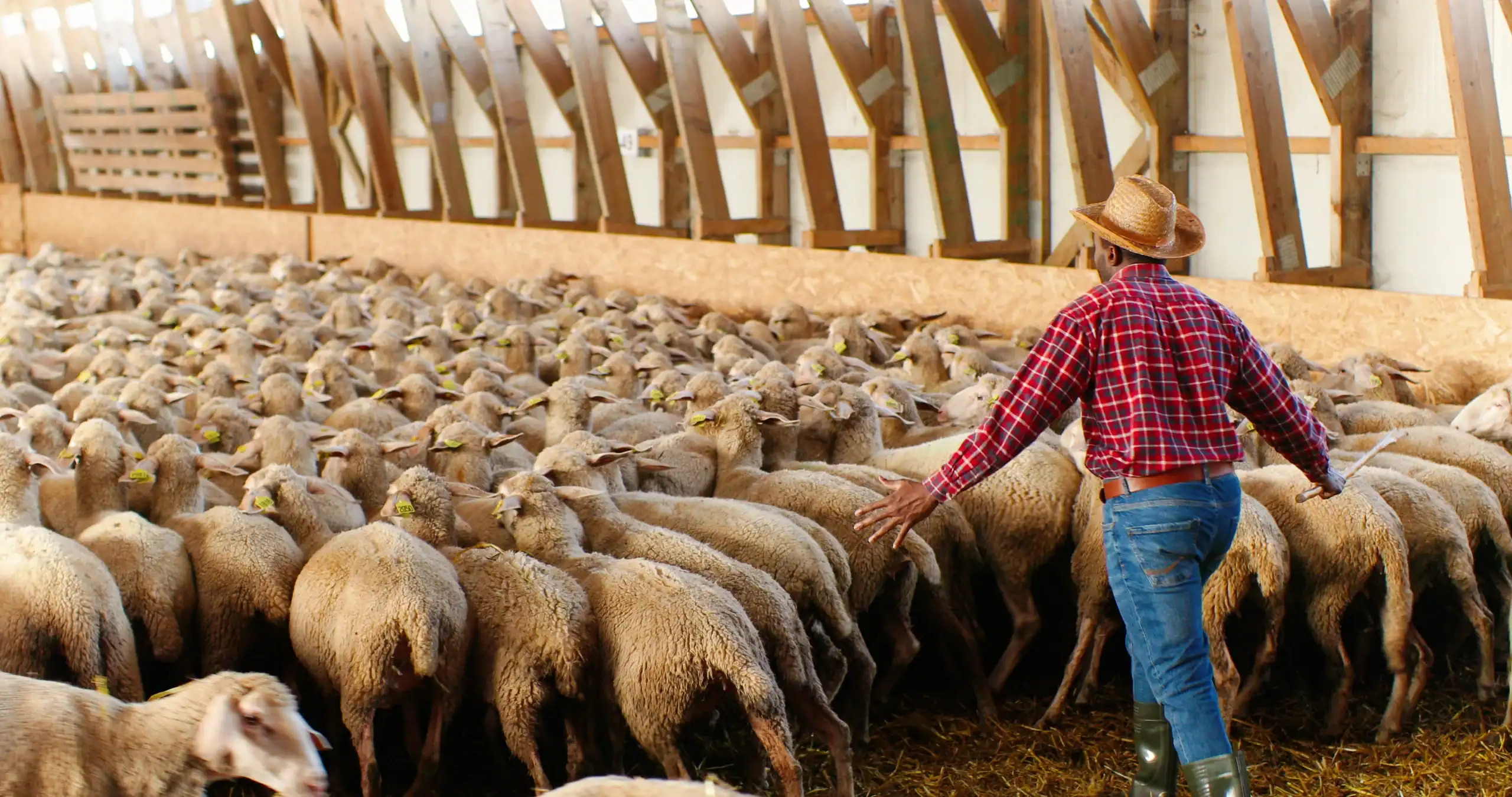
Navigating agricultural risk in Kentucky requires a partner who truly understands the land, the local farming community, and the distinct needs of livestock production. A commercial cattle backgrounding lot in Warren County faces completely different risk exposures than a thoroughbred farm in Fayette County or a poultry operation in Graves County. Your commercial insurance package should be carefully tailored to reflect the true market value of your animals, your specific facilities, and your long-term business goals.
Protecting your investment in your herd allows you to manage and grow your farming operation with total peace of mind. Cast Iron Insurance is proud to serve Kentucky’s agricultural community by helping local producers identify their primary vulnerabilities and secure dependable coverage. To safeguard your animals, your investments, and your family’s financial future from unexpected losses, reach out to Cast Iron Insurance today to request a customized quote tailored to your operations.
Get in touch with our team for an
Insurance Review!
For questions or concerns, please contact our independent insurance agents by filling out the form!
1521 Cavalry Drive Suite 204,
Florence, KY 41042.